Securing CQC Compliance in Leeds


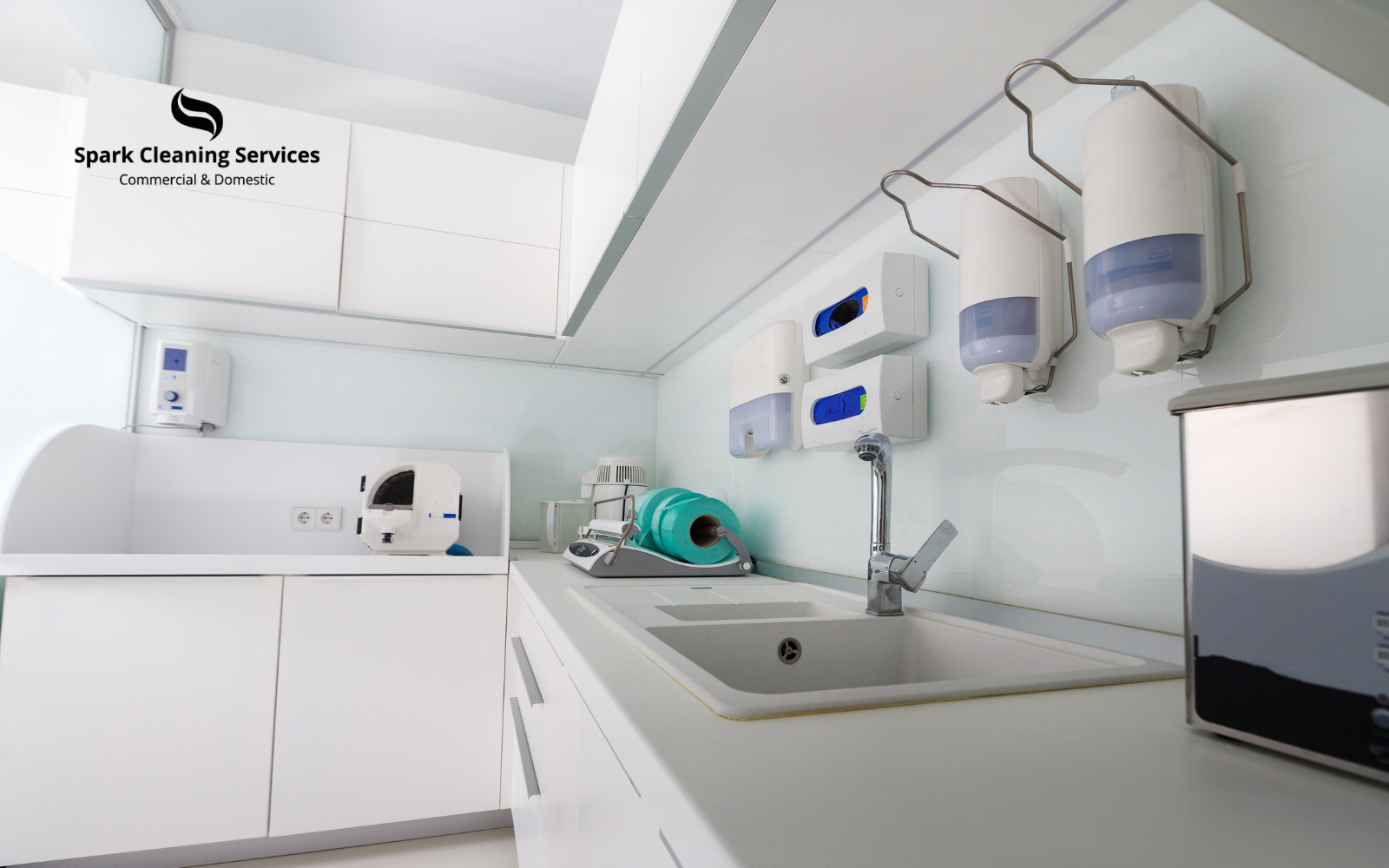
A clean dental clinic

For dental practice managers across West Yorkshire, clinical cleanliness is not merely a matter of aesthetic appeal. It is the core foundation of patient safety, professional reputation, and regulatory compliance. The Care Quality Commission (CQC) expects dental facilities to operate under the highest standards of infection prevention and control (IPC), using guidelines defined by the NHS and the Department of Health.

The primary regulatory framework governing this sector is Health Technical Memorandum 01-05 (HTM 01-05): Decontamination in primary care dental practices. Adhering to these stringent rules requires a structured cleaning schedule that clearly separates immediate between-patient resets from deep end-of-day decontamination procedures.

To understand how these clinical requirements fit into the wider healthcare landscaping of West Yorkshire, you can read the 2026 guide to cleaning for Leeds medical & dental practices, which serves as an essential regional roadmap.

Navigating HTM 01-05 and CQC Cleaning Standards

The CQC monitors dental surgeries under Regulation 13 of the Health and Social Care Act (Regulated Activities) Regulations, which mandates that premises must be clean, secure, suitable, and properly maintained. During an inspection, the CQC evaluates whether your practice is safe and well-led. A significant part of this evaluation rests on your documented cleaning schedules, infection control audits, and staff training.

To remain compliant, clinical environments must divide cleaning duties into two distinct phases: high-frequency turnaround sanitisation and heavy-duty environmental cleaning.

1. The Between-Patient Surgery Reset

The turnaround period between patients is a high-risk window for cross-contamination. Clinical staff must execute a rapid, highly structured sanitisation routine focusing on primary touchpoints.

  • Dental Unit Water Lines (DUWLs): Flush water lines for at least 20 to 30 seconds between patients to prevent biofilm build-up. Water used at the chairside must never be drawn directly from the mains supply.
  • The Spittoon Bowl: Clean and disinfect the spittoon after every patient using an approved, non-foaming cleaning agent.
  • High-Frequency Contact Surfaces: Wipe down all clinical contact areas, including dental chair controls, headrests, armrests, delivery units, and operating light handles. Use dual-action detergent and disinfectant wipes that meet European Standards (such as EN 14476 for virucidal efficacy).
  • Hand Hygiene Stations: Hand-washing sinks in clinical zones must align with CQC Dental Mythbuster 38 guidelines. Sinks must not have plugs or overflows, which act as bacterial reservoirs, and must be fitted with sensor-operated or lever-operated taps.

2. End-of-Session and End-of-Day Protocols

Once the clinical sessions for the morning or afternoon conclude, your cleaning staff or clinical team must transition to deeper environmental decontamination.

Aspirator and Suction System Care

At the end of every clinical session, the aspirator system must be flushed with an appropriate non-foaming, bio-film contaminant cleaner. This prevents biological matter from hardening inside the suction tubes.

Local Decontamination Room (LDR) Sanitisation

The LDR is the engine room of dental safety. The physical boundary between the designated "dirty" and "clean" zones must be strictly maintained to prevent re-contaminating sterilised instruments. Sinks used for manual cleaning and rinsing must be cleaned daily with a non-abrasive cream cleaner to prevent scratching, as scratches provide micro-harbours for pathogens.

Environmental Floors and Cabinetry

All clinical surgery floors must be wet-mopped at the end of each working day. This must be completed using the national colour-coding system (typically yellow for clinical zones) to prevent mops or cloths used in clinical areas from entering kitchens or washrooms.

National Standards of Healthcare Cleanliness and Dental Practices

The active National Standards of Healthcare Cleanliness provide a common framework detailing how clinical cleaning must be delivered and assessed. While the CQC has confirmed that primary care dental practices do not need to display public star-rating logos on their doors, they are still fully expected to meet the underlying cleanliness criteria.

Under these standards, dental environments are categorised by Functional Risk (FR) groups. Each group carries a specific target audit score that your practice must meet to remain compliant:

Functional Risk Category (FR)

Dental Practice Area

Required Audit Target Score

Recommended Audit Frequency

FR3

Treatment Rooms, LDR

90% and above

Every 2 months

FR4

Waiting Rooms, Reception, Patient Toilets

85% and above

Every 3 months

FR6

Staff Offices, Kitchens, General Storage

75% and above

Every 12 months

(Data source: NHS National Standards of Healthcare Cleanliness)

The Value of Local, Professional Clinical Cleaning in Leeds

From high-end cosmetic surgeries in Chapel Allerton and Roundhay to bustling community practices in Leeds City Centre and Headingley, local dental practices face intense competition and rigorous regulatory scrutiny.

Managing a dental team's schedule while demanding they also perform heavy environmental cleaning can lead to burnout, missed decontamination steps, and ultimately, a failed CQC inspection. Outsourcing the environmental and deep-cleaning elements of your practice to a specialised local cleaning agency ensures that your clinical staff can focus purely on clinical treatment and instrument processing.

A professional provider will maintain an on-site, audit-ready folder containing:

  1. Fully logged, colour-coded cleaning schedules tailored to each room in your practice.
  2. Up-to-date COSHH sheets (Control of Substances Hazardous to Health) for all chemicals stored on-site.
  3. Documented evidence of infection control training for all deployed cleaning operatives.

Secure Your CQC Compliance Today

Do not leave your next inspection to chance. Partnering with clinical cleaning experts who understand the nuances of HTM 01-05 and the National Standards of Healthcare Cleanliness is the safest way to protect your patients and your dental license.

At Spark Cleaning Services, we provide fully documented, professional clinical sanitisation services for dental practices throughout Leeds and the surrounding West Yorkshire areas. Contact our team today to schedule an audit-ready site assessment.

๐Ÿ‘‰ Ready to elevate your surgery's hygiene standards? Visit our Medical and Dental Cleaning Services Page to book a specialist clinical cleaning consultation for your Leeds practice.

By Elliot Landy August 17, 2026
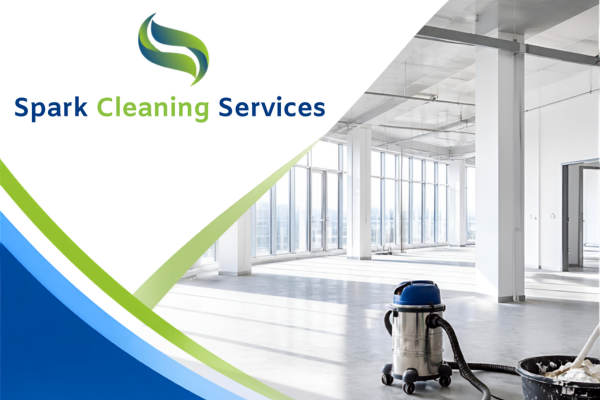
Following a structured after build cleaning checklist ensures your newly constructed or refurbished commercial property is safe, compliant, and pristine for opening day. Months of planning and construction culminate in this high-stakes handover, but post-construction mess such as dust, silicone residue, paint splatter, and fine particles presents a major barrier. Leaving construction grime undermines your investment and creates serious health and safety hazards. This comprehensive after build cleaning checklist covers every phase, room, and compliance standard required to get your UK commercial site 100% ready for handover and opening day. Why Standard Cleaning Falls Short After Construction It is a common misstep to treat an after-build clean like a standard office or commercial deep clean . Construction dust is far more invasive and volatile than everyday dirt. Fine construction residues like silica, plaster, and silicone will damage new surfaces and continuously recirculate through HVAC systems if treated with standard domestic tools. Preparing a site for immediate commercial operation requires specialist chemical agents and industrial equipment deployed across three distinct phases: Extracting heavy dust and debris with HEPA filtration. Then safely dissolving stubborn adhesives, cement wash, and plaster spots without scratching delicate finishes. Finally, performing fine-detail micro-wipes alongside HVAC sanitation to ensure dust does not return. Read on for more information on the three stages. The 3 Essential Phases of an After Build Clean Professional commercial cleaners operate using a phased methodology. Trying to perform high-end polishing while drywall dust is still settling is a waste of time and budget. A successful site transformation follows these three clear steps: Phase 1: The Rough Clean The rough clean takes place immediately after the trade workers (plumbers, electricians, joiners, plasterers) have completed their core structural work. Debris & Waste Removal: Disposal of remaining offcuts, protective plastic sheeting, cardboard packaging, and heavy waste. Bulk Dust Extraction: Industrial vacuuming across all floor surfaces using HEPA-filtered equipment to capture fine particles without blowing them back into the air. Sticker & Label Removal: Careful removal of protective films, manufacturing stickers, and branding tags from glass, sanitaryware, appliances, and windows. Initial Surface Wipe-Down: Removing heavy plaster drops, mortar spots, and paint drips from non-sensitive surfaces. Phase 2: The Deep Clean (Builders Clean) This is the most intensive phase of the project. It focuses on the thorough cleaning of every surface, fitting, fixture, and feature within the building. Detailed Dusting: Systematic top-to-bottom dusting of high-level pipes, cable trays, light fittings, structural beams, and air vents. Hard Surface Scrubbing: Machine scrubbing or specialized hand-cleaning of hard flooring (LVT, vinyl, tiles, polished concrete) to strip away ingrained grime. Sanitaryware & Kitchen Wet-Cleaning: Deep sanitisation of sinks, toilets, showers, counters, and splashbacks. Internal Glazing: Complete cleaning of windows, glass partitions, mirrors, and doors, including frames, sills, and tracks. Phase 3: The Final Sparkle Clean Conducted 24 to 48 hours prior to official client handover or opening day, the "sparkle clean" gives the property its showroom-quality polish. Touch-Up Dusting: Removing any ambient dust that has settled since the deep clean. High-Gloss Polishing: Buffing chrome fixtures, stainless steel appliances, glass barriers, and smooth furniture to a smudge-free shine. Final Vacuuming & Mopping: Squeegee cleaning glass and applying final floor care treatments. Snagging Inspection Walkthrough: Identifying and resolving any overlooked marks or blemishes before doors open to the public. The Master Room-by-Room After Build Cleaning Checklist Use this detailed, area-by-area checklist to track your cleaning progress and verify that every square metre meets commercial standards. 1. Reception, Entrances & Corridors First impressions shape how clients, partners, and employees perceive your business. Entrances accumulate high volumes of grit and boot marks during construction. Sweep, industrial-vacuum, and machine-wash entrance matting and hard flooring. Remove protective plastic wrap from reception desks, counters, and decorative panelling. Wipe down and polish main glass entrance doors, handles, thresholds, and push plates. Dust and polish light fixtures, flush-mounted LEDs, and decorative chandeliers. Clean internal signage, directory boards, and emergency exit markers. Vacuum skirting boards, dado rails, and wall art or branding displays. 2. Offices, Workspaces & Meeting Rooms Dust in working spaces directly affects indoor air quality and worker productivity. High-dust ceiling grids, acoustic panels, light diffusers, and sprinkler heads. Wipe clean all wall outlets, light switches, network ports, and trunking. Vacuum soft furnishings, acoustic screens, and carpeted floors using HEPA filters. Clean desks, pedestals, glass meeting tables, and cable management trays. Sanitise phone systems, monitor screens, and communal office tech. Wipe down interior doors, architraves, door frames, and vision panels. 3. Washrooms & Changing Facilities Hygiene is paramount in commercial restrooms. Trade workers often use these areas during fit-outs, leaving behind heavy grime. Remove grout haze, tile adhesive, and plaster splashes from wall tiles. Scrub and sanitise toilets, urinals, bidets, and sinks, ensuring chrome taps are polished. Clean and polish mirrors, vanity units, soap dispensers, and hand dryer housings. Deep clean cubicle partitions, doors, locks, and hinges. Scrub safety flooring or tiled floors, ensuring floor drains are cleared of debris. Check that all paper, soap, and hygiene dispensers are clean and ready for stocking. 4. Kitchens, Canteens & Breakout Areas Food preparation environments demand strict hygiene levels before initial use. Clean inside and outside of all kitchen cupboards, drawers, and shelving units. Wipe down countertops, splashbacks, and kitchen sinks, removing sealant residue. Clean interior and exterior of appliances (refrigerators, microwaves, dishwashers, ovens). Degrease stainless steel extraction hoods, splash zones, and hobs. Vacuum and mop slip-resistant kitchen flooring, paying attention to edges and kickboards. 5. Windows, Glazing & External Facades Smears and grout stains on commercial glass are visually jarring and obscure natural light. Remove paint flecks, silicone spots, and tape residue using glass scrapers and dedicated solvents. Wash internal glass partitions, glass balustrades, and window panes. Vacuum and clean window tracks, sills, trickle vents, and external frames. Clean high-level external glazing using reach-and-wash water-fed pole systems. For tailored commercial site support, explore our specialised services or learn more about Commercial Cleaning Services to discover how we deliver customised solutions for fit-outs and developments. Health, Safety & Compliance: COSHH, PPE & Risk Assessments In the UK, after-build cleaning is governed by strict Health & Safety standards. Managing site risk is not optional, it is a legal requirement. COSHH (Control of Substances Hazardous to Health): Heavy-duty post-construction cleaning chemical products (cement removers, solvent cleaners, floor sealants) must be logged with safety data sheets on site. PPE Requirements: Cleaning staff must wear appropriate PPE, including safety boots, hard hats, high-vis vests, eye protection, and specialised dust masks (FFP3 rated for fine silica dust). RAMS (Risk Assessment & Method Statement): Before cleaning begins, a comprehensive RAMS document must be produced detailing access methods, chemical usage, an d emergency procedures. High-Level Access: Cleaning areas above reach height requires certified operators trained in IPAF (for powered access platforms) or PASMA (for mobile towers). Work with a trusted, fully insured commercial cleaning provider to guarantee full compliance with UK safety guidelines and eliminate liability on your site. Understanding After Build Cleaning Costs: Key Pricing Factors When budgeting for a post-construction clean, pricing varies based on several commercial parameters. Because every site is unique, transparent pricing depends on a thorough site assessment.
office clean
By Elliot Landy July 23, 2026
Office cleanliness affects sick days, focus, and first impressions. More than a maintenance job, it's an operational investment.
School Cleaning
By Elliot Landy June 18, 2026
A clear guide to UK school cleaning standards: the regulations schools must meet, what Ofsted looks for, plus COSHH, DBS and how to stay compliant
By Elliot Landy June 11, 2026
A property manager's guide to student accommodation cleaning in Leeds: compliance, maintenance and choosing a provider.
Student accommodation cleaning standards
By Elliot Landy June 4, 2026
Understand the UK student accommodation cleaning standards, HHSRS hazards, and Unipol code legal requirements.
Green Cleaning company in Leeds
By Elliot Landy May 18, 2026
Spark Cleaning uses Evans Vanodine Green Tick products and microfibre technology to deliver genuinely eco-friendly commercial cleaning across Leeds.
By Elliot Landy April 30, 2026
73% of buyers are influenced by cleanliness. Discover why car showroom cleaning in Leeds matters.
By Elliot Landy April 17, 2026
CQC-compliant medical and dental cleaning in Leeds. Spark covers infection control, colour coding and audit trails.
Student accommodation surrounded by cleaning symbols
By Elliot Landy March 11, 2026
Professional end of tenancy cleaning in Leeds — find out what's included and how Spark can protect your deposit.
Spring Cleaning
By Elliot Landy March 11, 2026
Professional spring commercial cleaning in Leeds — deep clean offices, gyms, schools & more with Spark Cleaning Services.